
TRADIENT — LEARN
Clear market foundations, explained from first principles for better long-term understanding.
-
Trading Account vs Demat Account vs Bank Account
Understand the difference between trading, demat and bank accounts in India, how money and securities move, and why investors typically need all three.
-
What Does a Stock Broker Actually Do?
A broker is more than a trading app. This guide explains how a SEBI-registered stock broker connects investors to exchanges, executes orders and supports the trading lifecycle.
-
What Is a Demat Account and How Does It Work?
A demat account is the electronic home for many of your securities. This beginner-friendly guide explains the depository system, the role of your DP, and how holdings move…
-
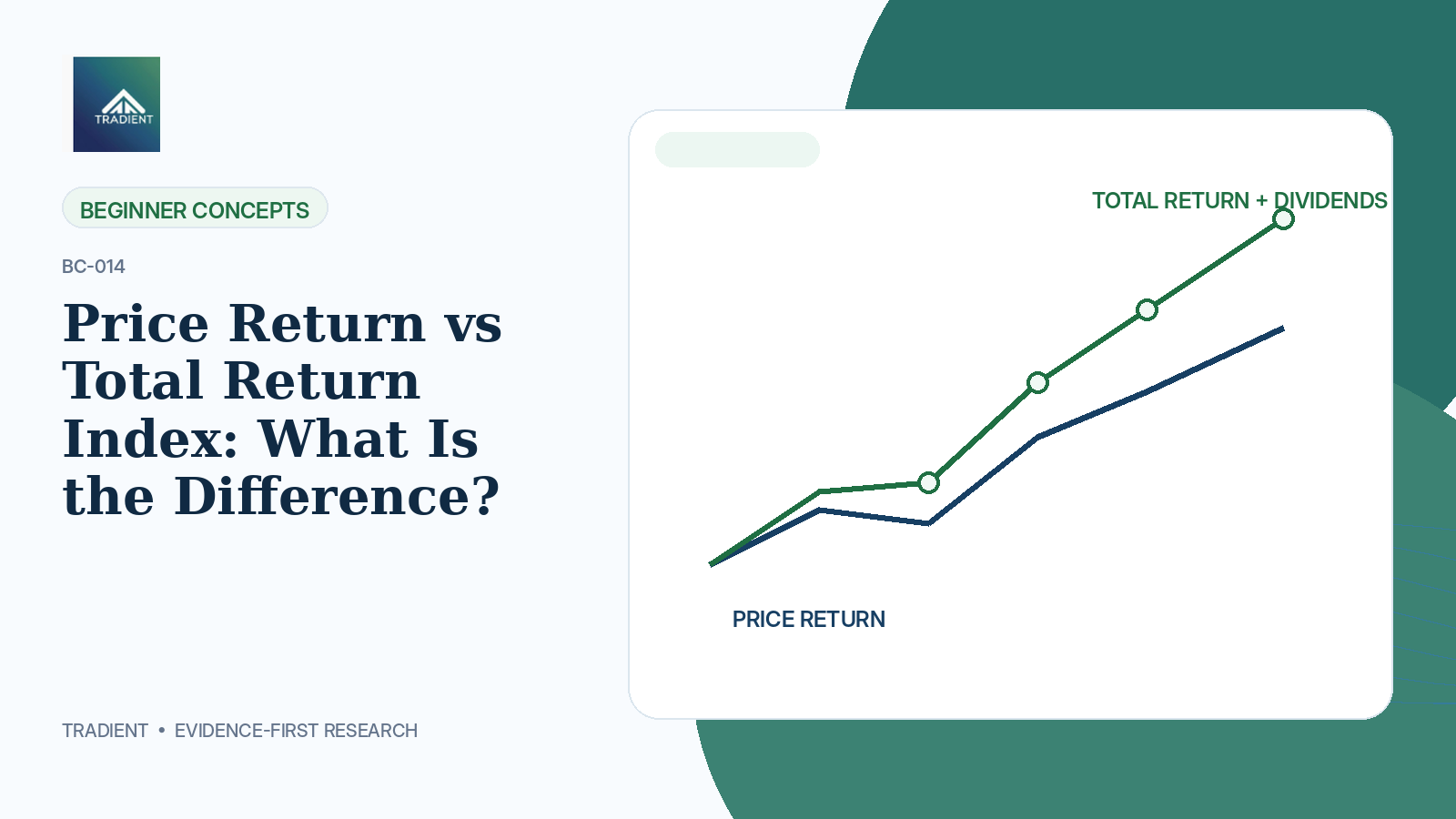
Price Return vs Total Return Index: What Is the Difference?
A price return index reflects constituent price changes, while a total return index also accounts for dividend distributions being reinvested. The distinction matters when comparing long-term investment performance.
-
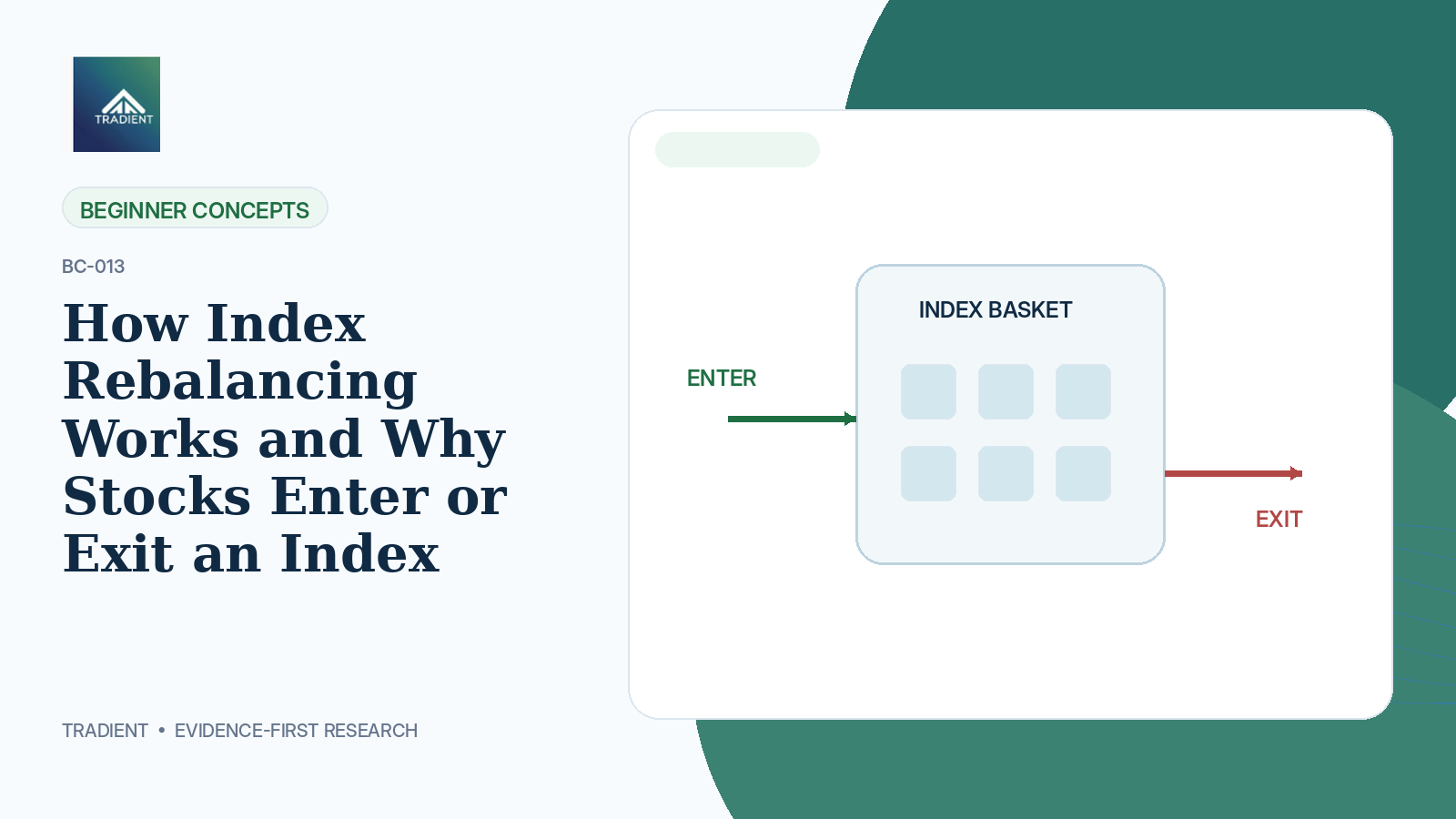
How Index Rebalancing Works and Why Stocks Enter or Exit an Index
Index rebalancing is the rule-based process through which an index provider updates constituents and weights. Learn why stocks enter or exit and why passive funds may need to…
-
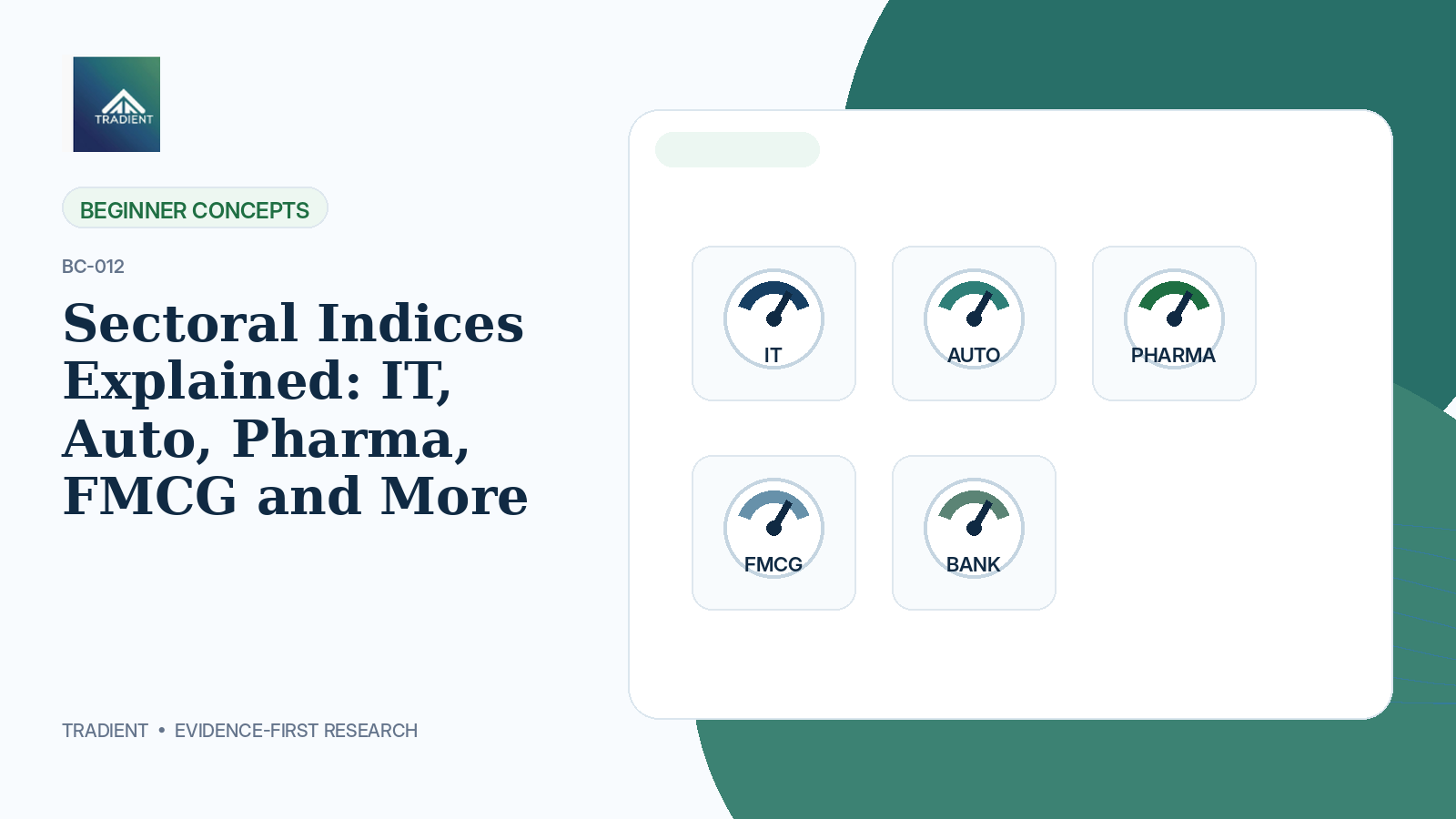
Sectoral Indices Explained: IT, Auto, Pharma, FMCG and More
Sectoral indices group listed companies by economic activity, helping investors compare industry performance, benchmark sector funds and understand which parts of the market are leading or lagging.
-
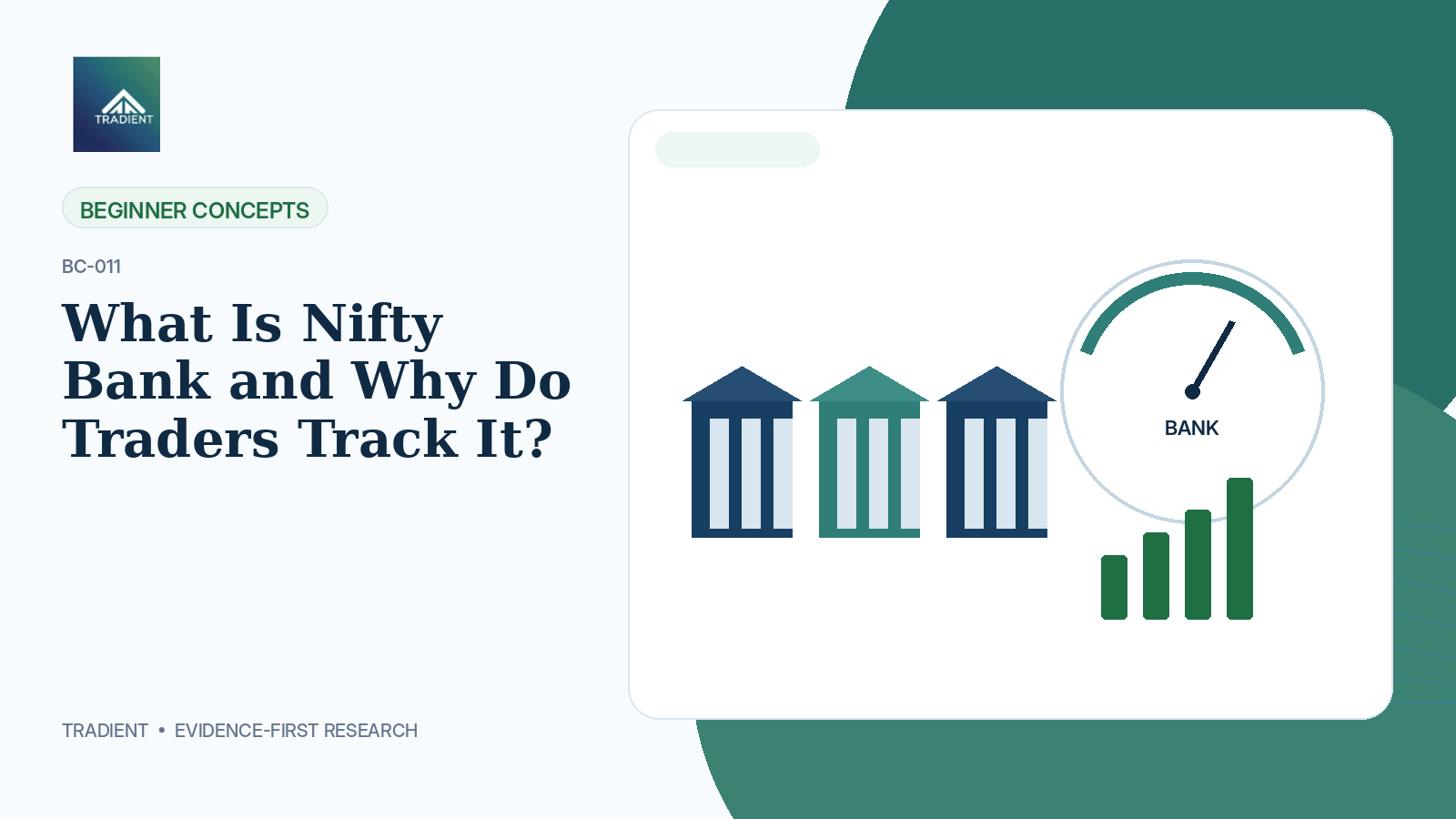
What Is Nifty Bank and Why Do Traders Track It?
Nifty Bank is a benchmark of large and liquid Indian banking stocks. Its sector concentration makes it sensitive to credit growth, margins, asset quality, liquidity, interest rates and…
-
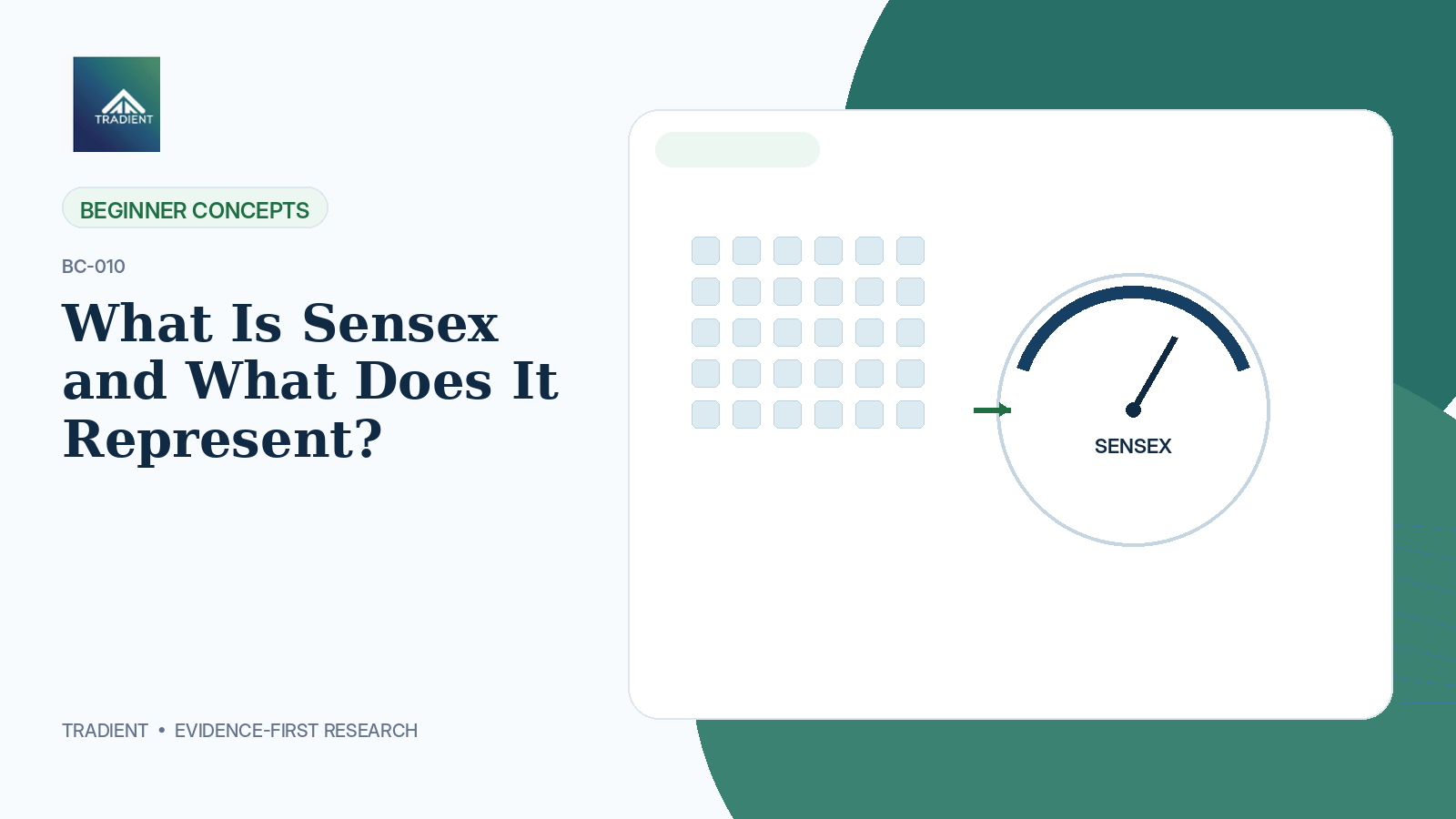
What Is Sensex and What Does It Represent?
The BSE Sensex is a 30-company bellwether index designed to measure the performance of large, liquid and financially sound companies across key sectors of the Indian economy.
-
What Is Nifty 50 and How Is It Constructed?
Nifty 50 is a diversified 50-stock benchmark of the Indian equity market. Learn how free-float market-cap weighting works, why index constituents change, and what the index can and…
-
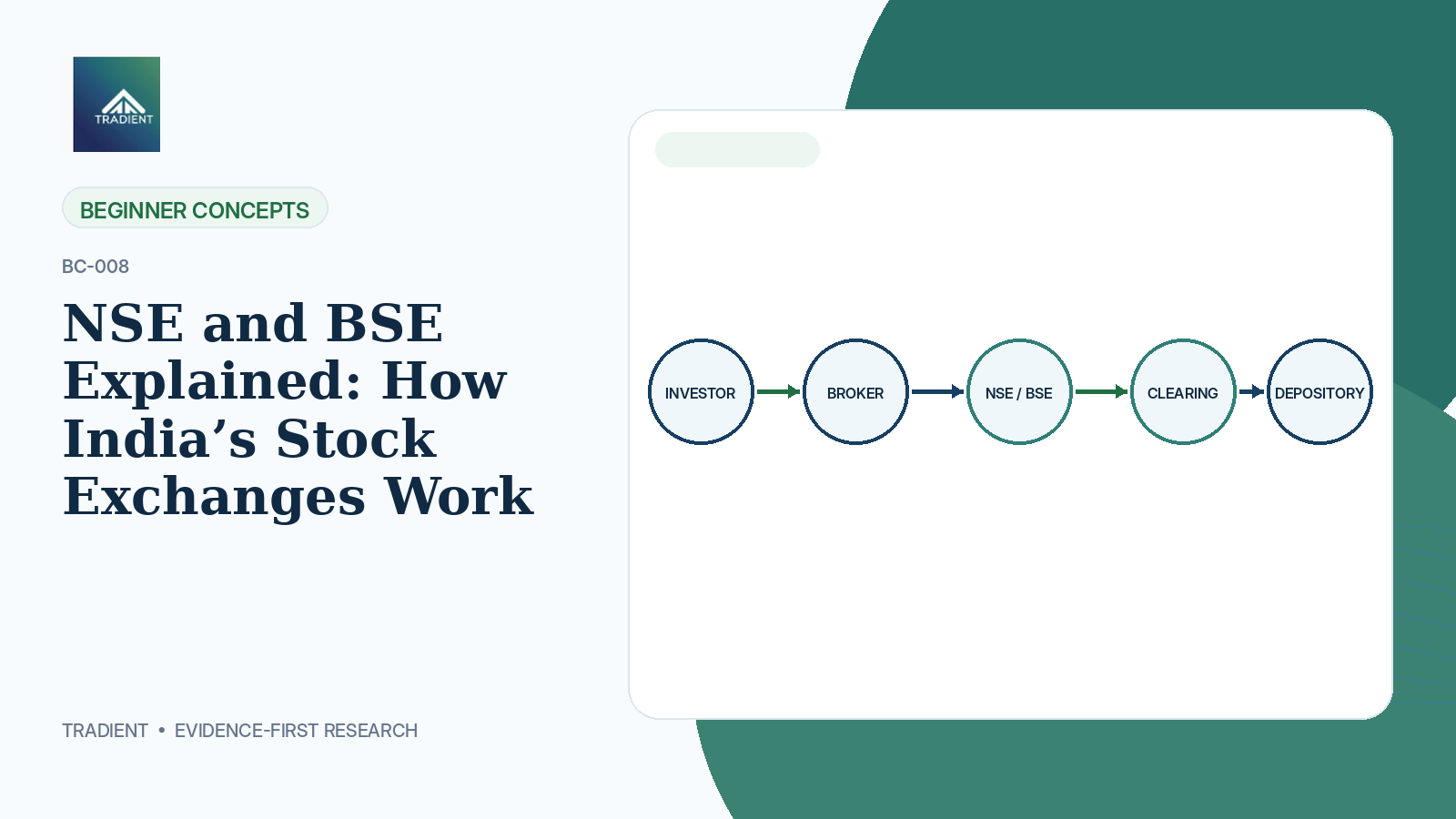
NSE and BSE Explained: How India’s Stock Exchanges Work
NSE and BSE are market infrastructure institutions that provide organised trading venues, rules, data and surveillance. Learn what exchanges do, what brokers do, and how clearing and settlement…
-
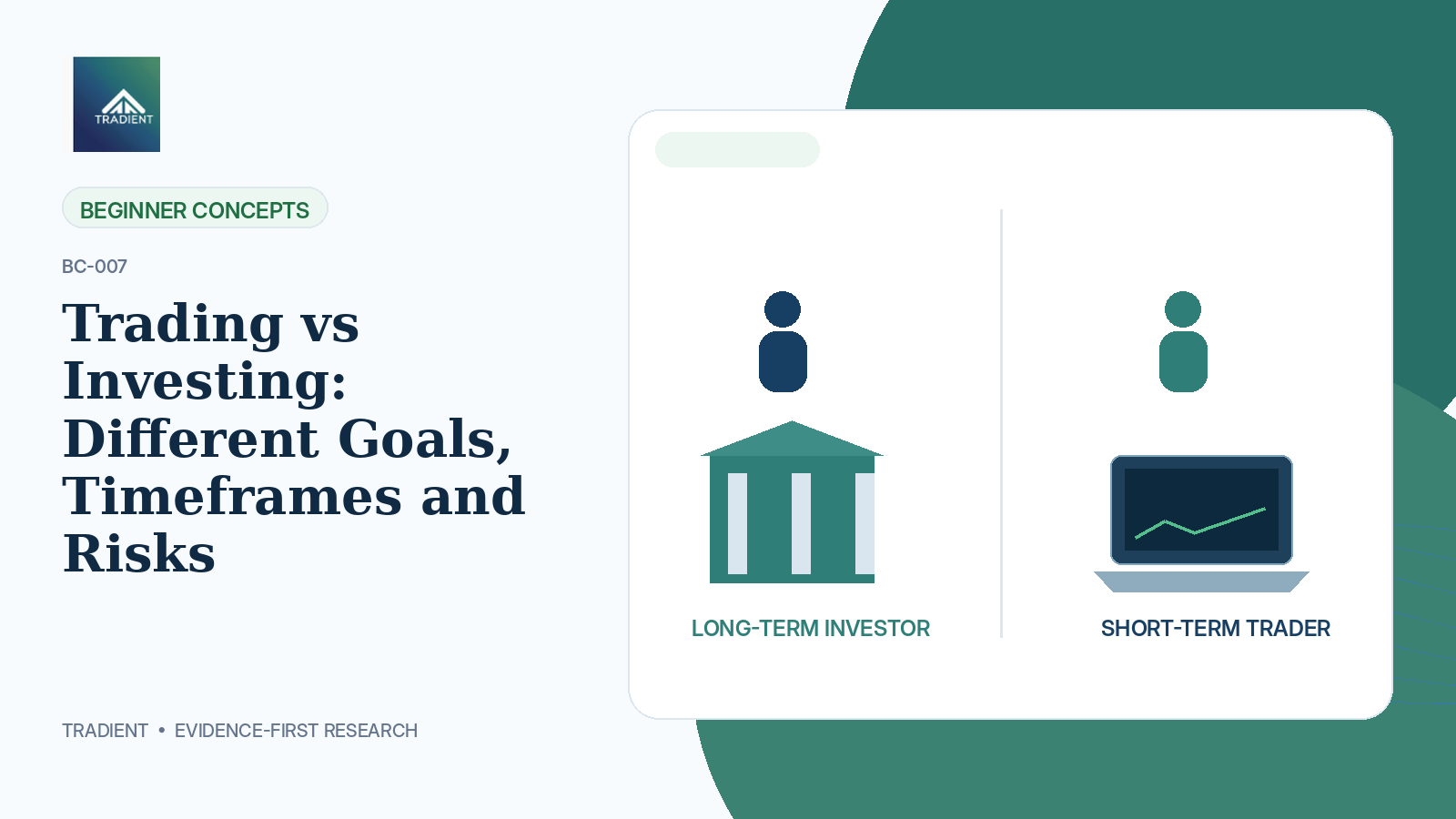
Trading vs Investing: Different Goals, Timeframes and Risks
Trading and investing both use market instruments, but they differ in time horizon, decision process, risk controls and what makes the strategy succeed. Confusing the two can lead…
-
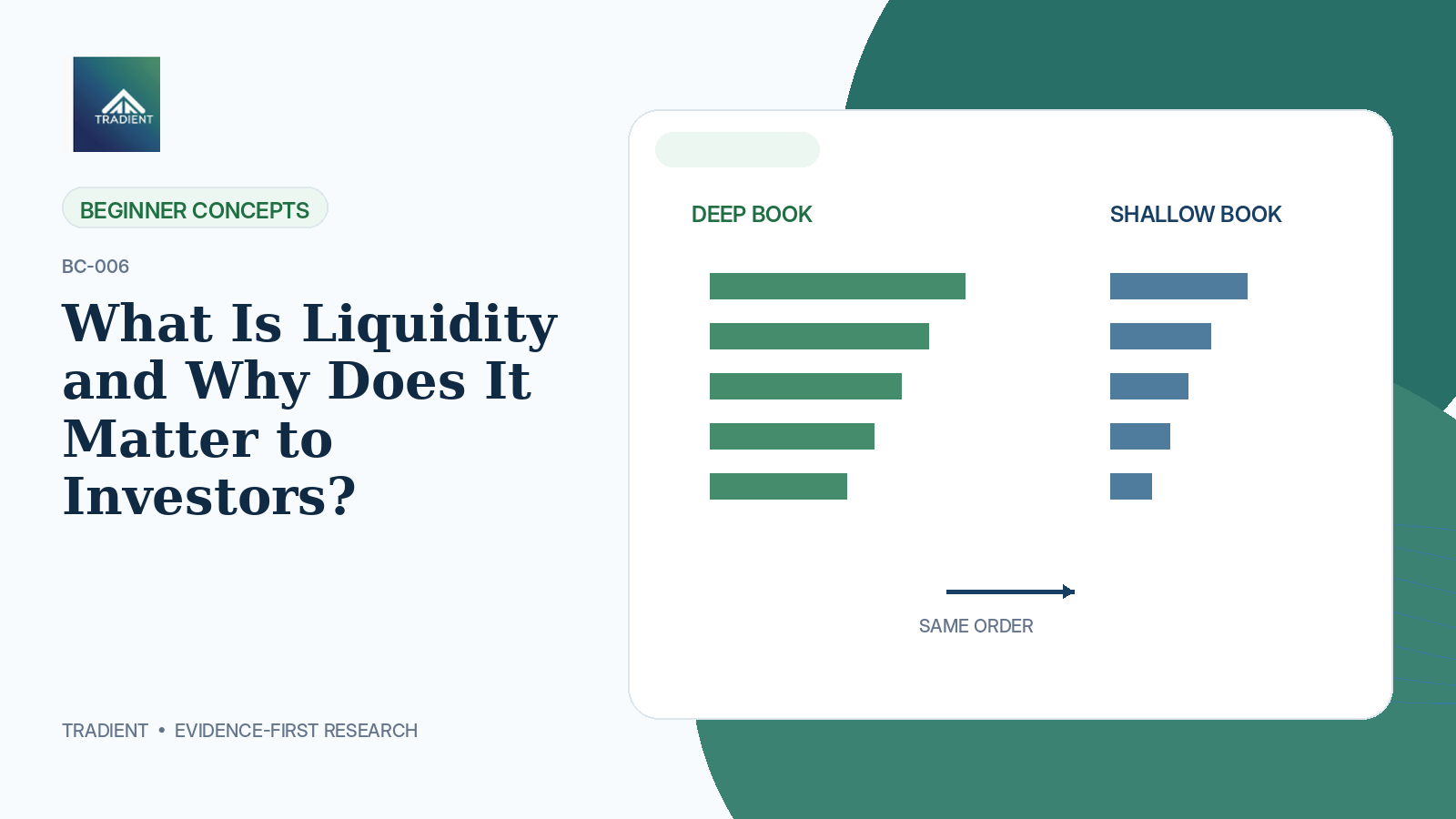
What Is Liquidity and Why Does It Matter to Investors?
Liquidity is the ability to trade an asset quickly, in meaningful size, without moving its price excessively. It affects execution cost, exit risk, portfolio construction and the reliability…