
TRADIENT — RESEARCH
Long-form market, sector and company work organized for faster discovery and better reading.
-
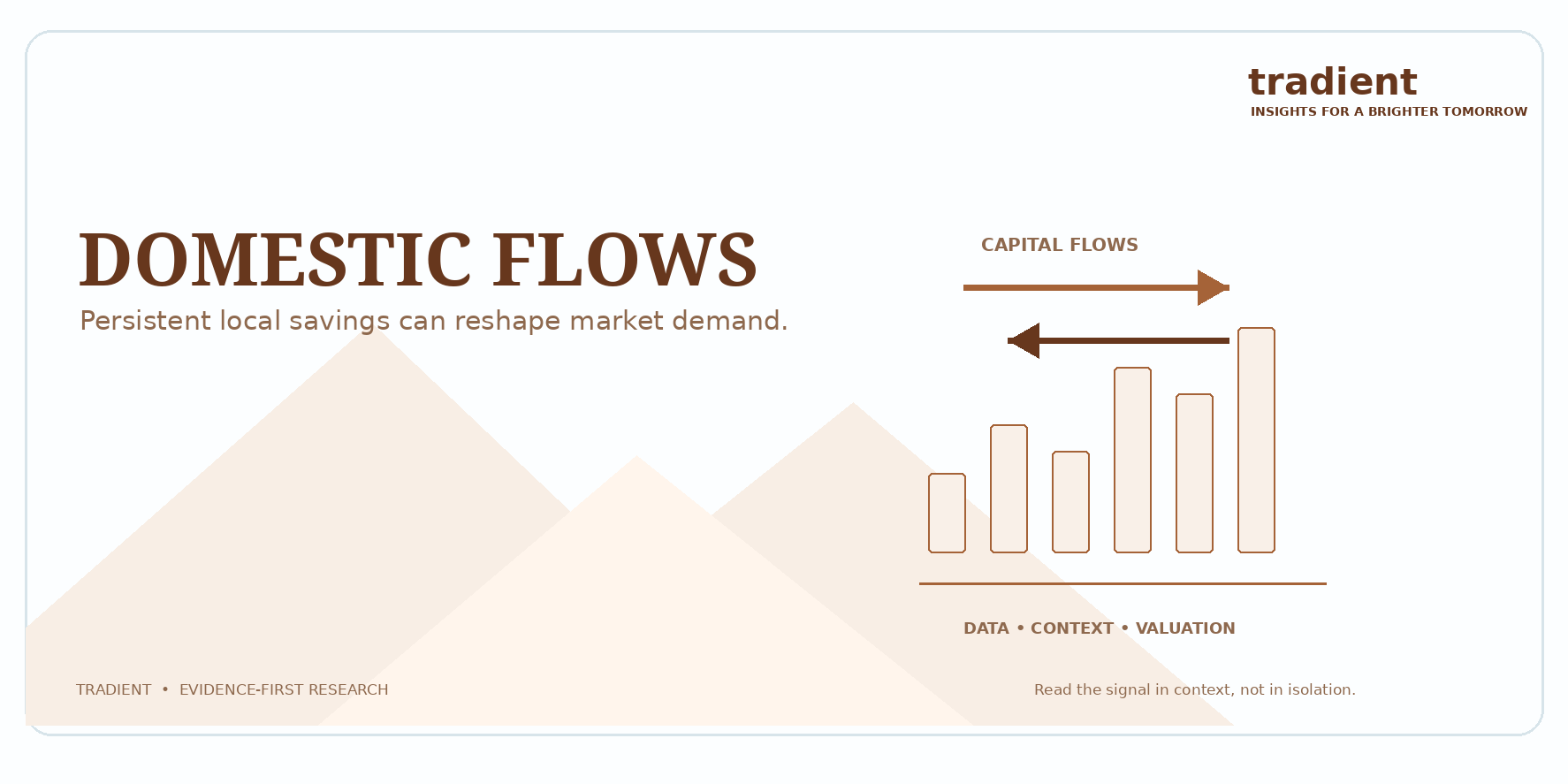
Why Domestic Mutual-Fund Flows Have Become a Structural Market Force
India’s domestic mutual-fund industry is now large, recurring and deeply connected to household savings. That changes market liquidity and resilience—but it does not repeal valuation or risk.
-
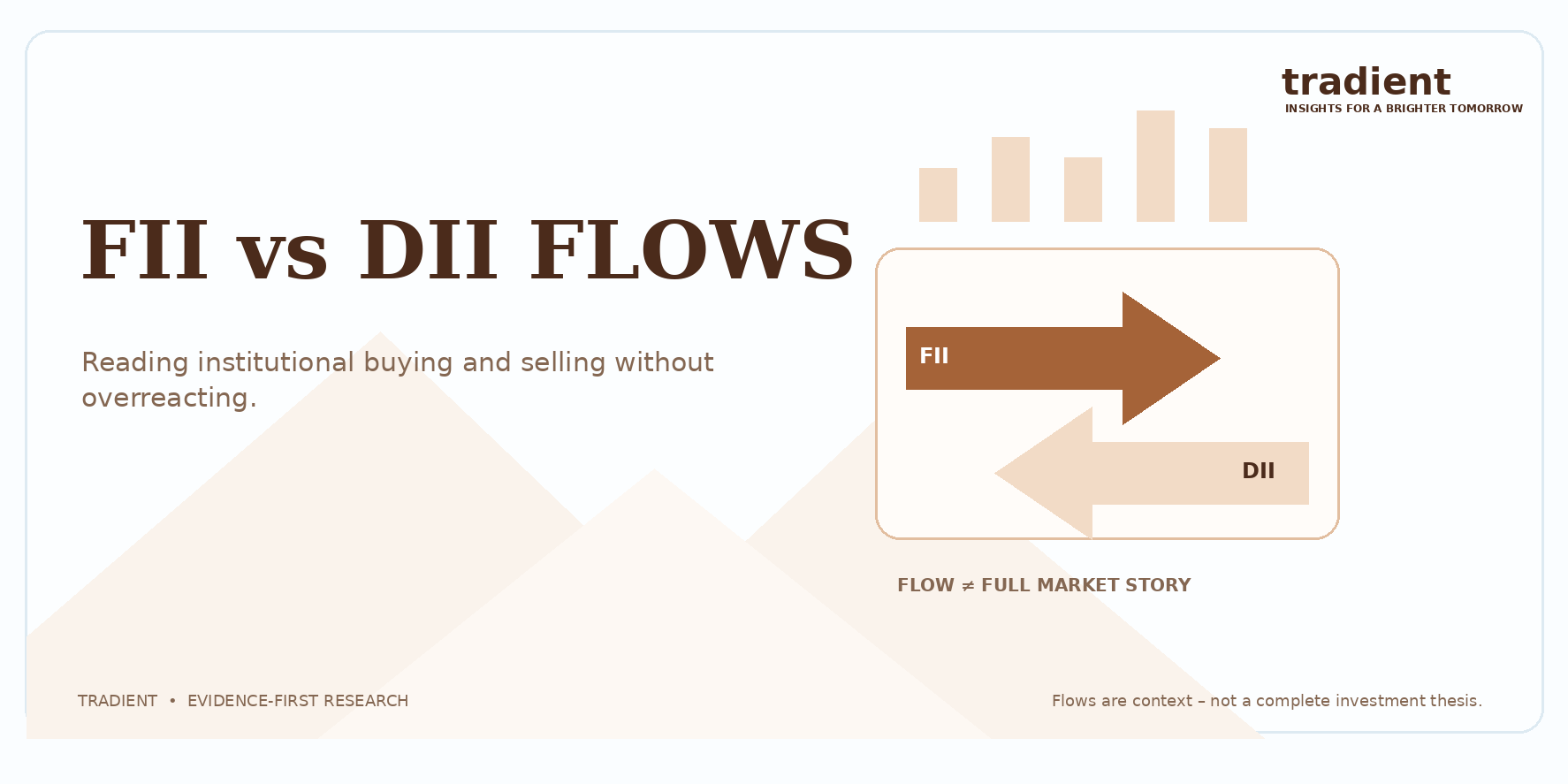
FII vs DII Flows: How Much Should Investors Really Care?
Foreign and domestic institutional flows can influence liquidity, sentiment and index behaviour, but daily net-buy/sell numbers are not a standalone market-timing system. Here is a better framework for…
-
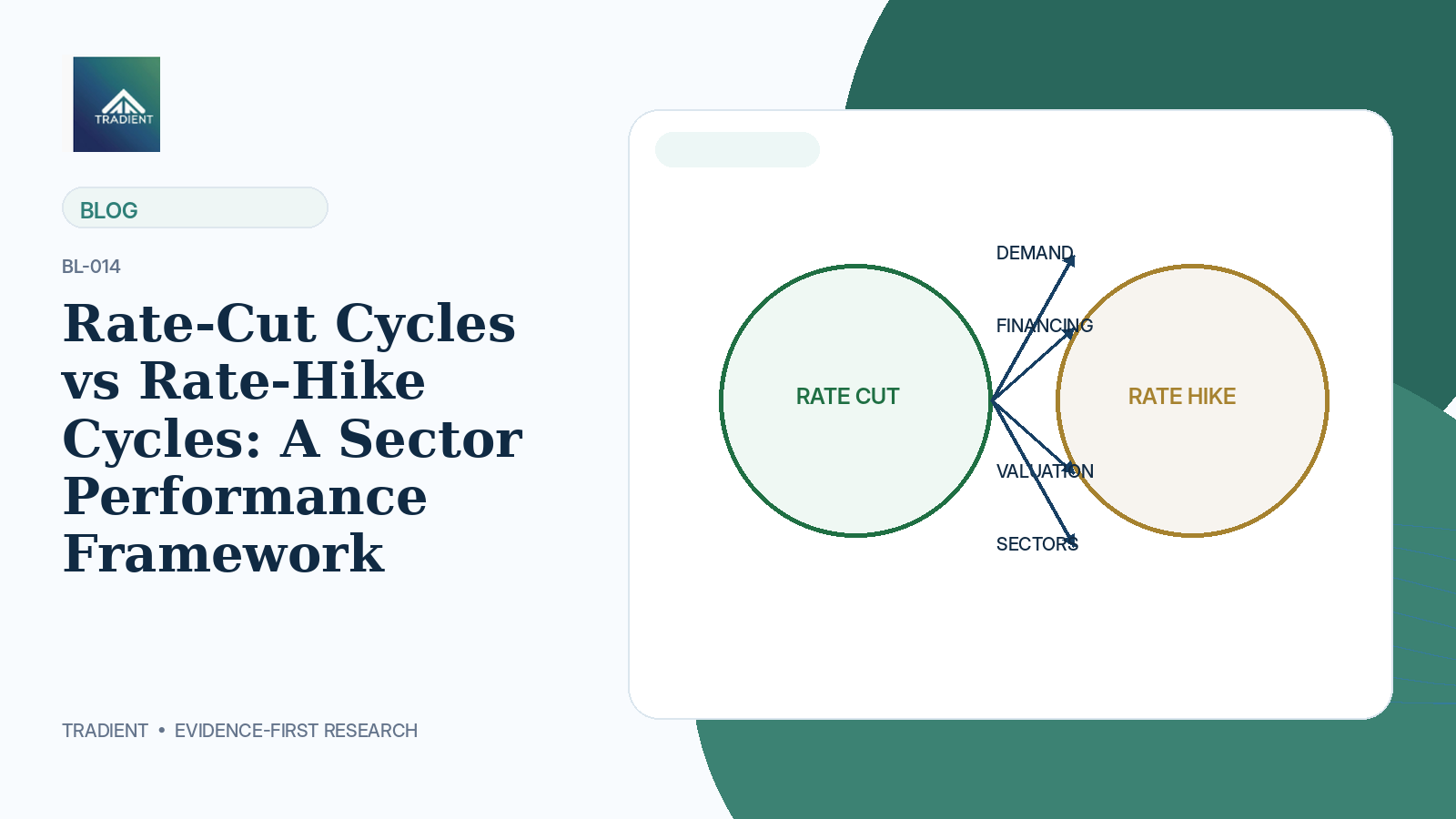
Rate-Cut Cycles vs Rate-Hike Cycles: A Sector Performance Framework
Rate cycles affect sectors through demand, funding, pricing power, discount rates and credit quality. A useful framework classifies businesses by those channels instead of assuming a fixed list…
-
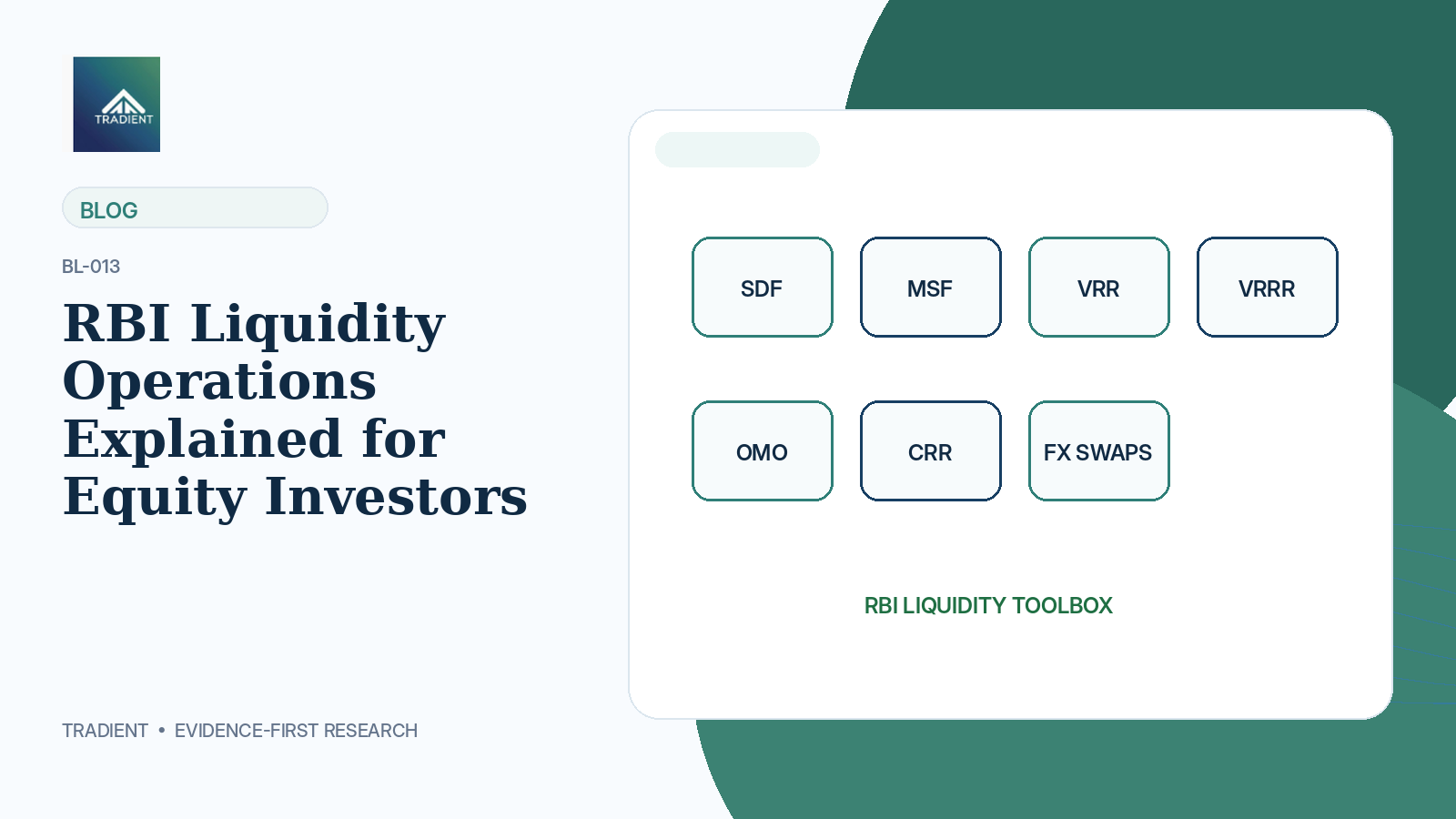
RBI Liquidity Operations Explained for Equity Investors
RBI uses standing facilities, variable-rate repo and reverse-repo operations, OMOs, CRR and FX swaps to manage transient or durable banking-system liquidity. Equity investors should understand the transmission path…
-
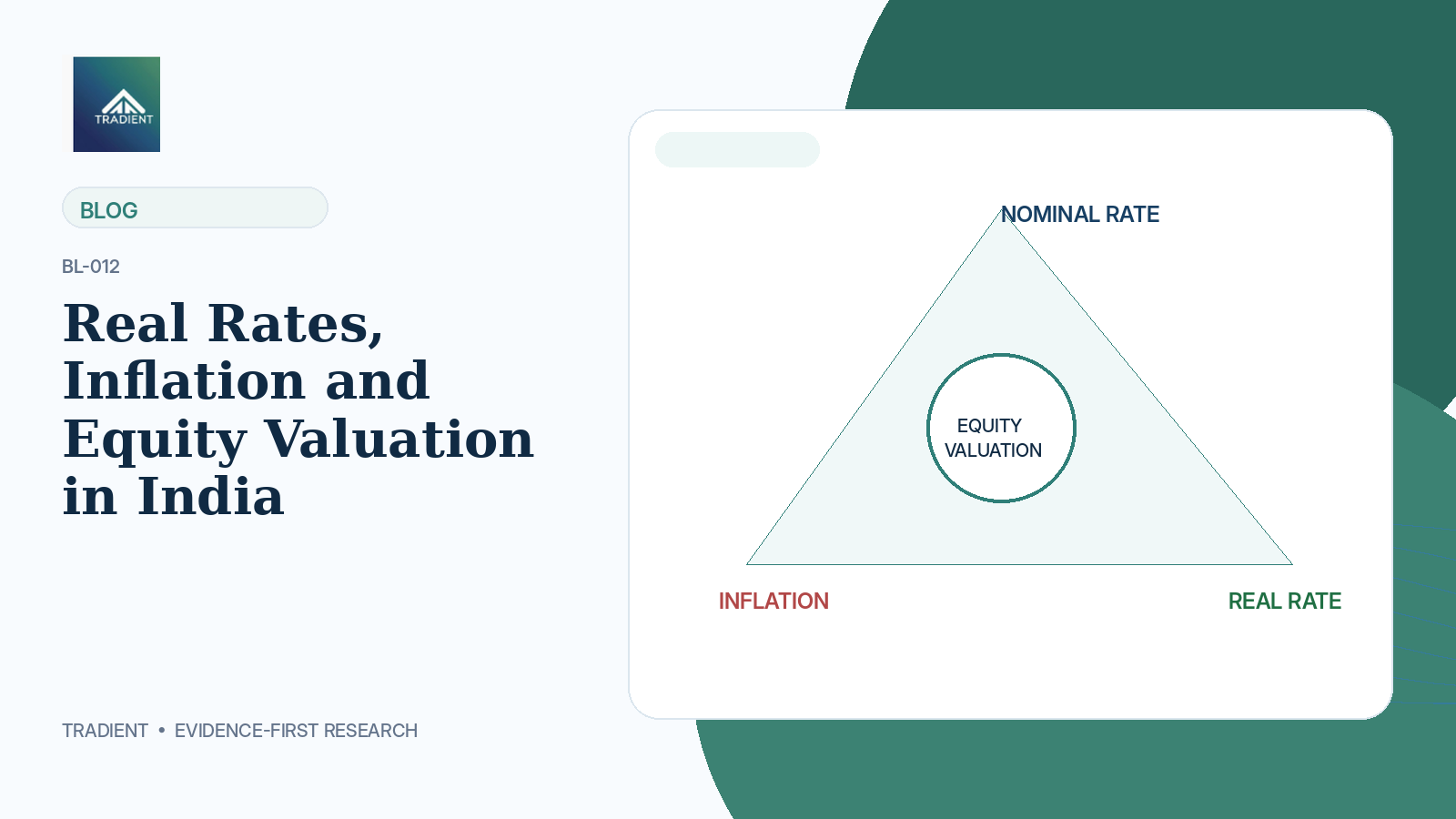
Real Rates, Inflation and Equity Valuation in India
Real interest rates combine nominal rates with inflation expectations. For equities, the interaction affects discount rates, household demand, corporate margins and the relative attractiveness of financial assets.
-

Rising Bond Yields: Which Equity Valuations Come Under Pressure?
Rising bond yields can raise discount rates and make fixed-income alternatives more competitive. Long-duration growth stocks, highly leveraged businesses and bond-proxy sectors can be especially sensitive, but earnings…
-
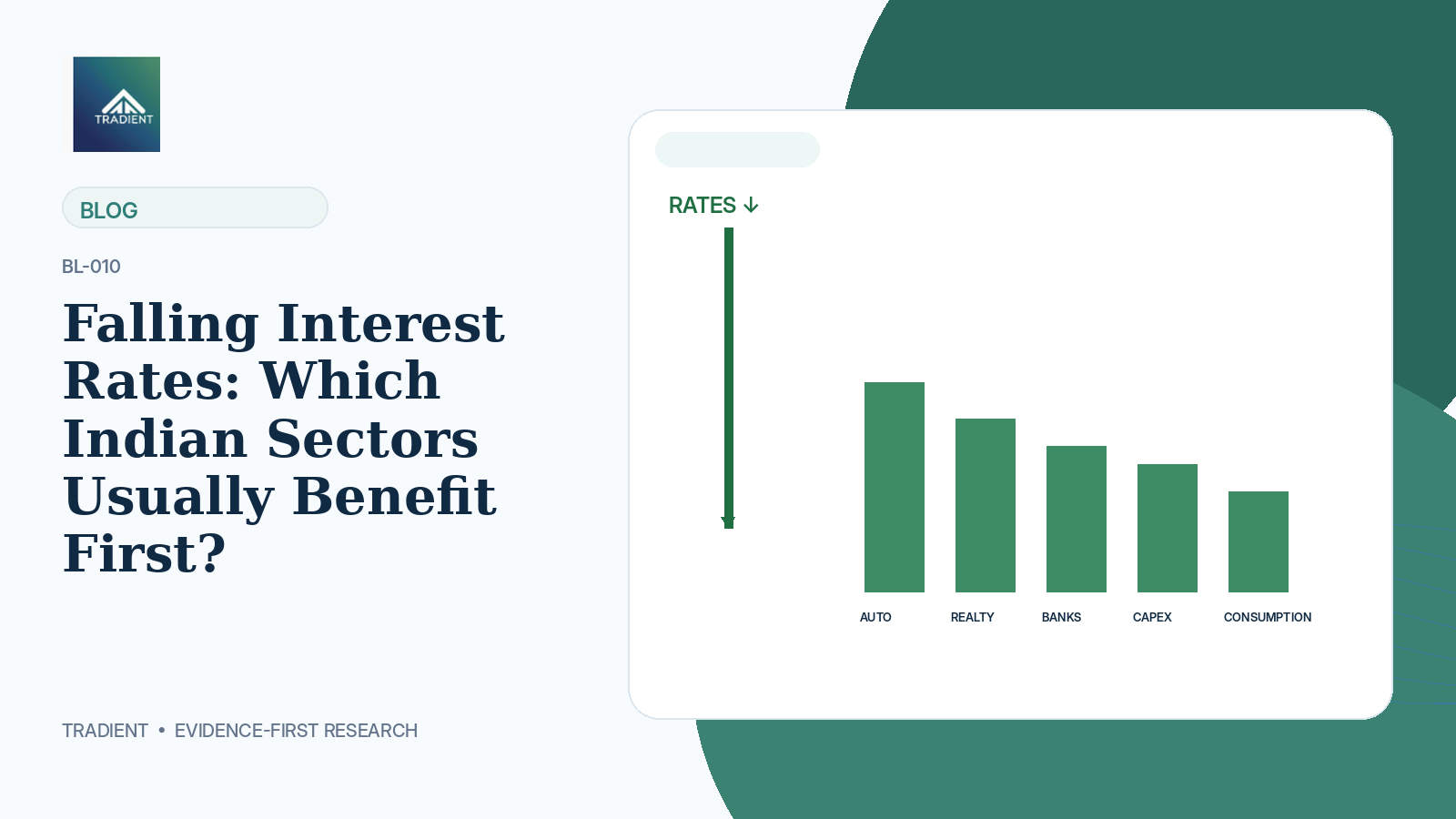
Falling Interest Rates: Which Indian Sectors Usually Benefit First?
Lower rates can support rate-sensitive demand and reduce discount rates, but sector impact depends on why rates are falling, leverage, funding structure, pricing power and the starting valuation.
-
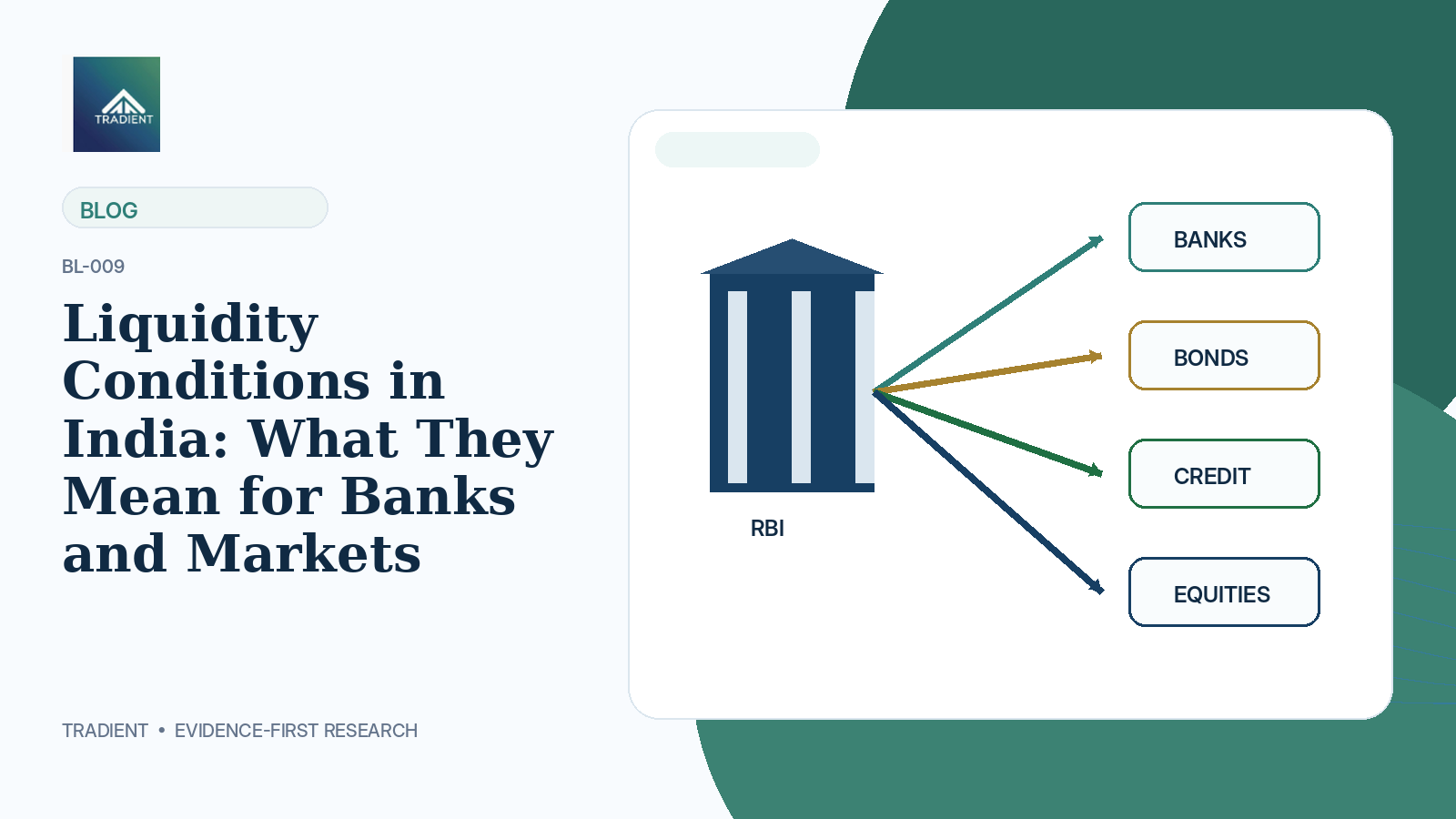
Liquidity Conditions in India: What They Mean for Banks and Markets
System liquidity is the availability of central-bank money and funding in the banking system. RBI manages transient and durable liquidity with standing facilities, repo operations, OMOs, CRR and…
-
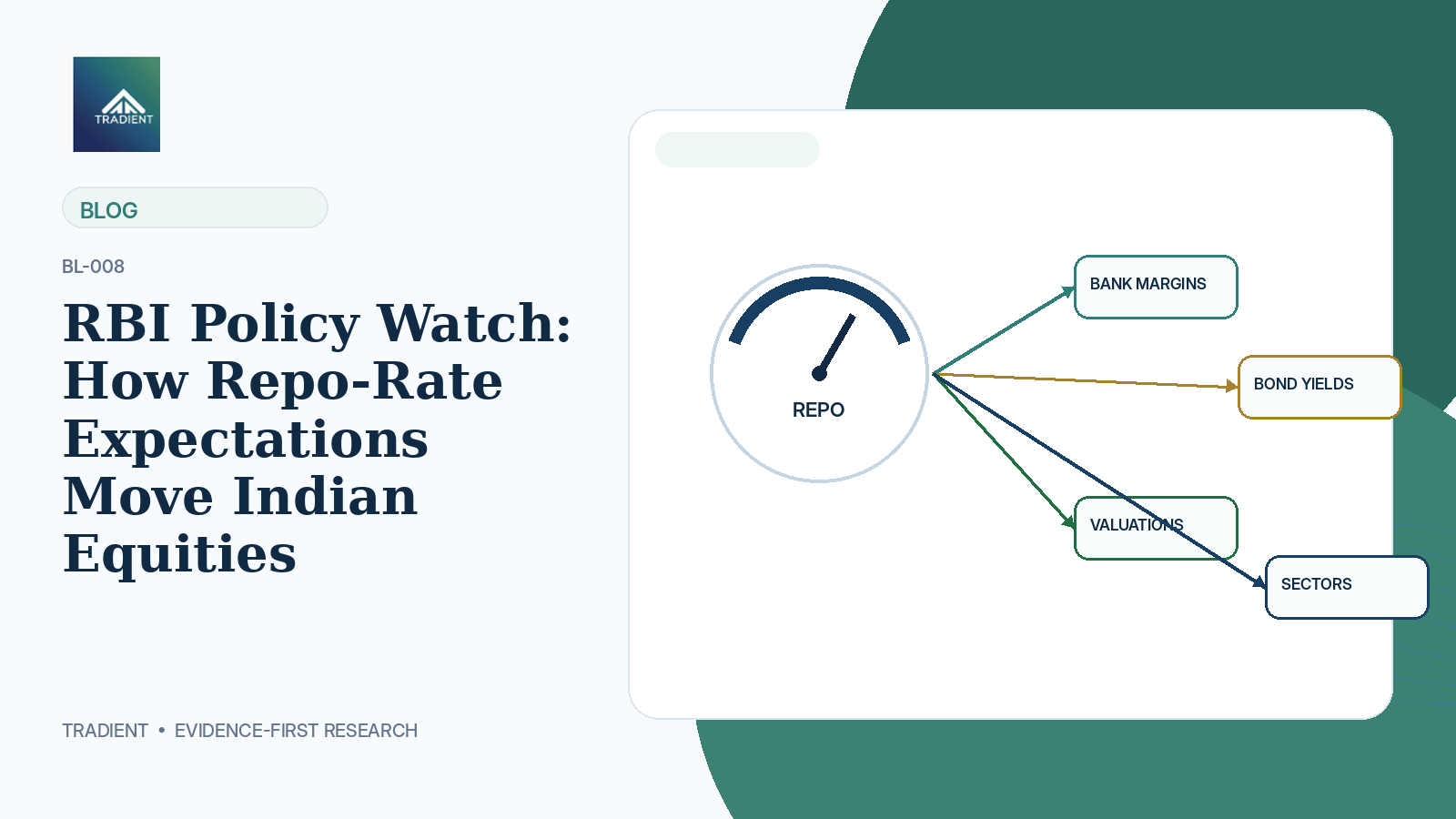
RBI Policy Watch: How Repo-Rate Expectations Move Indian Equities
Equity markets react not only to RBI’s repo-rate decision but to the gap between the decision and prior expectations, the inflation-growth outlook, liquidity guidance and the expected path…
-

Investor Protection vs Market Access: Where Indian Regulation Is Heading
Indian securities regulation is increasingly combining easier digital access and faster infrastructure with tighter safeguards in high-risk products. The policy challenge is not access versus protection, but designing…
-
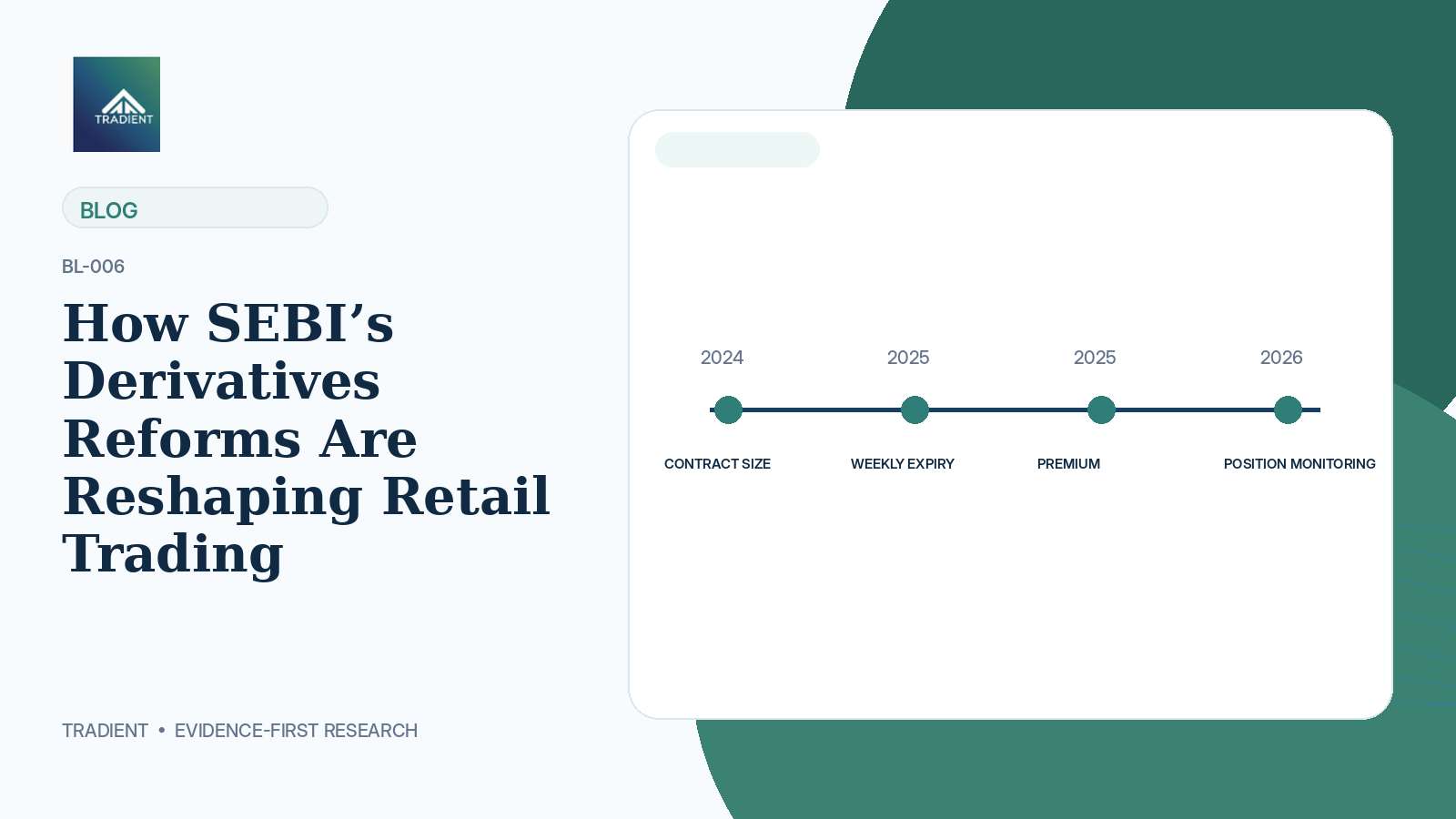
How SEBI’s Derivatives Reforms Are Reshaping Retail Trading
SEBI’s derivatives reforms target product proliferation, leverage, premium collection, position monitoring and expiry concentration. The result is a different retail trading regime from the post-pandemic boom years.
-
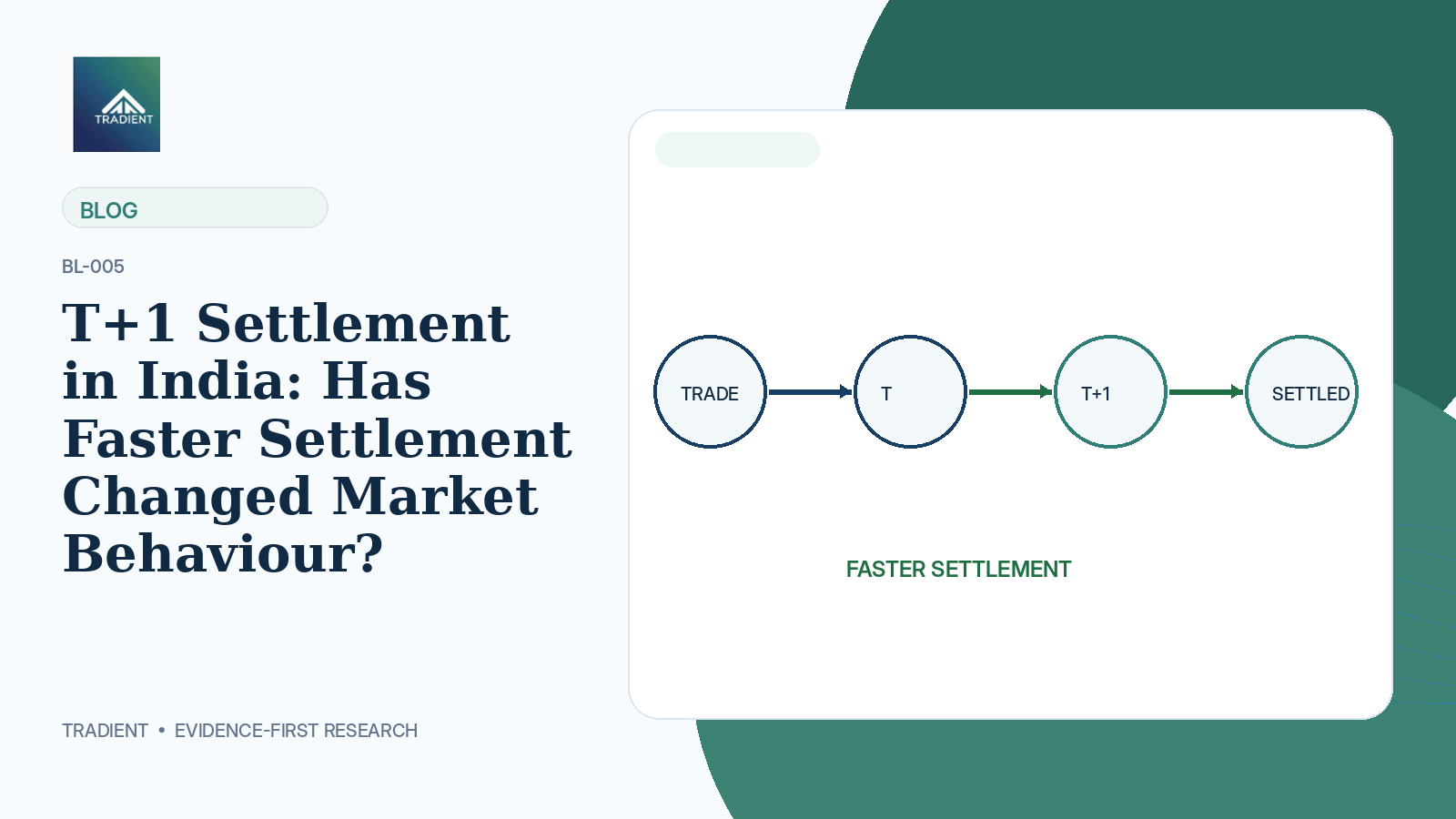
T+1 Settlement in India: Has Faster Settlement Changed Market Behaviour?
India’s cash-equity market uses T+1 as the standard settlement cycle, while optional T+0 has been expanded in phases. Faster settlement reduces the time between trade and final exchange…